
 By: Alex Andrews | Unsplash
Let's say you just captured a voice recording for your podcast and it sounds good...
You made sure to record in a quiet space and you checked to make sure your volume levels were at a good place....

In the preceding post, we learned important concepts about the best way to train iZotope RX's spectral de-noise module before it can remove background noise.
Along with those concepts in part 3, we learned what makes the ...

We've already learned how to recognize background noise and what makes the spectral de-noiser in iZotope RX so powerful.
Now we'll learn how to train the spectral de-noiser to allow it to remove background noise in your di...

We learned how to zoom in and get rid of stubborn, remaining mouth clicks in voice recordings in the previous post.
With the mouth clicks gone from bad spots, we've cleaned things up nicely, but we're not done yet...
Like...

In the previous post, we learned how to use the mouth de-click module in iZotope RX to remove mouth sounds from an entire podcast, sermon or voice-over for video.
We talked about doing this by setting up and using a gentle...
 By: Kelly Sikkema | Unsplash
We learned how to recognize different types of mouth noises in our dialogue recordings in the previous post.
We talked about using both our ears and eyes to spot them in Part 1.
That's because ...

[ Hear audio example in blue box ]
Mouth clicks - those pesky watery sounding pops heard during or after a spoken phrase in our voice recordings...
They might also be called mouth pops or smacks and this problem often pla...

We've made it to the end of the mastering phase for your podcast, sermon or voice recording for video - the process of finalizing audio before it's released to your listeners.
We already learned how to use EQ to correct an...
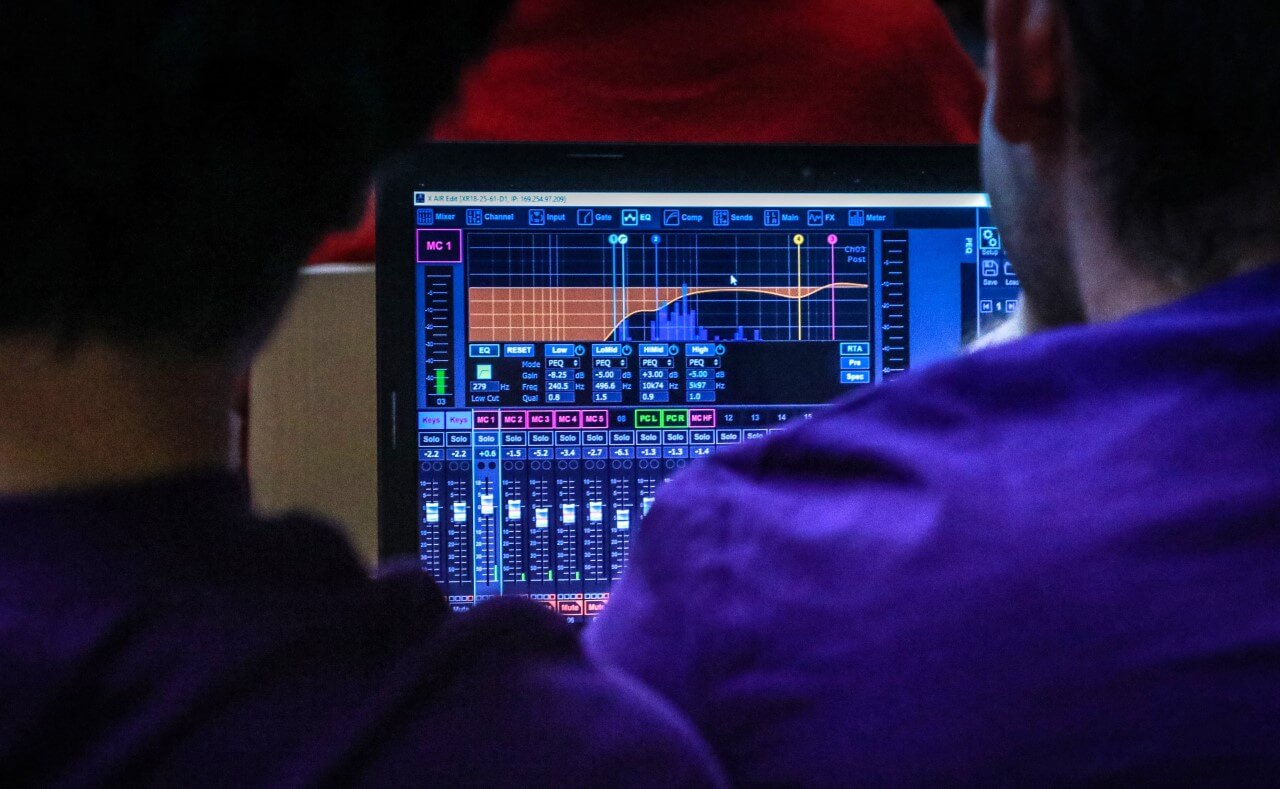
So, you've worked through the recording process and editing of your voice recording.
Maybe it's sermon audio from the past week or your podcast.
It's starting to sound really good after you've cleaned things up in the edi...

[ Hear audio example in blue box ]
We've made it to the end of the editing phase learning to use EQ to remove resonances and soothe sibilance.
Now, we'll learn how to get your podcast recording's sound one step closer to ...


